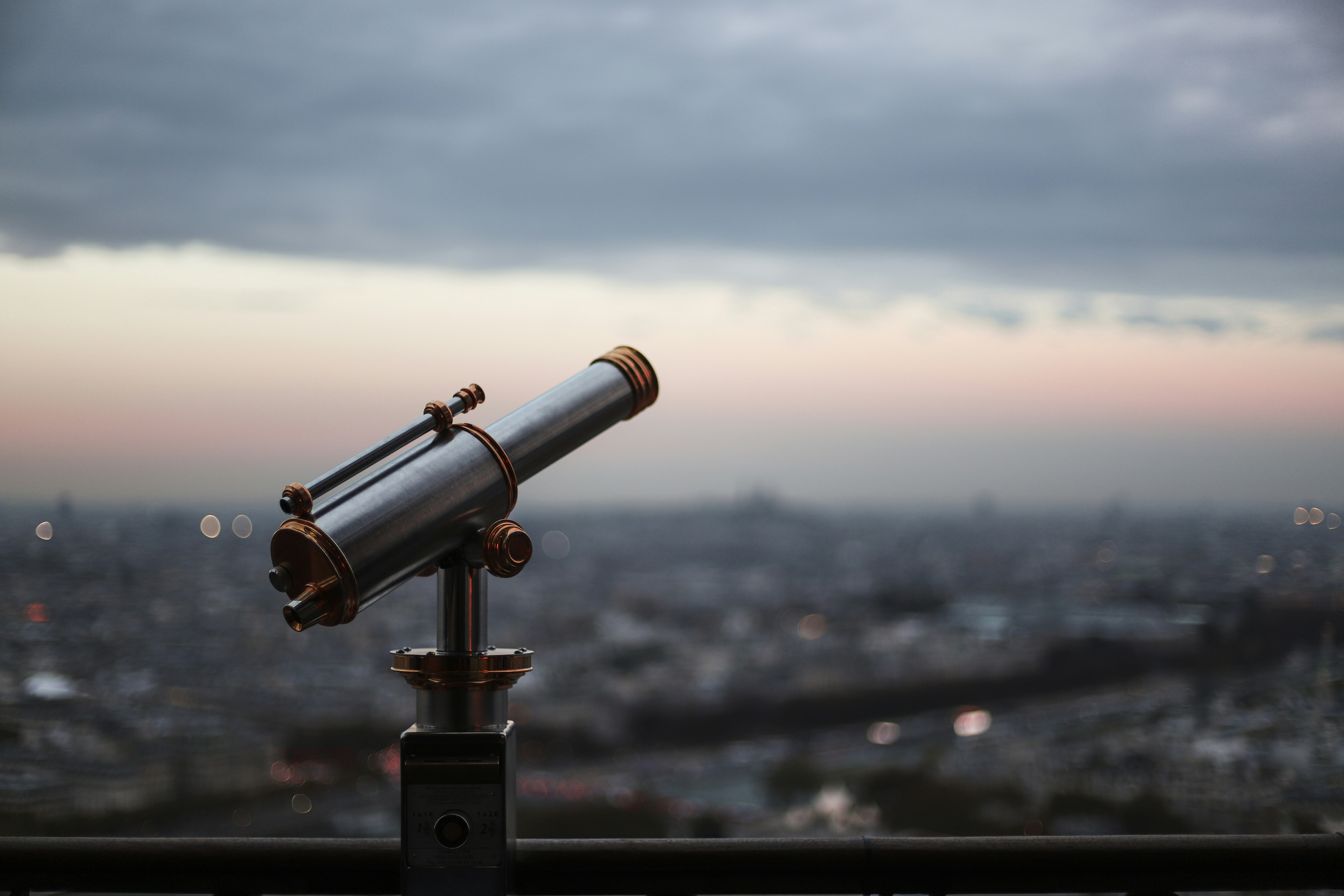
This guide covers Budgeting for Telescopes and Astrophotography Cameras: the main ideas, the evidence behind them, and open questions in practical astronomy.
This guide explains Budgeting for Telescopes and Astrophotography Cameras in clear language for curious readers. This article focuses on financial planning. It is part of VortexCelest's practical astronomy section and summarizes established findings, how they are measured, and what remains uncertain.
Setting Realistic Expectations
Setting Realistic Expectations is an important part of understanding Budgeting for Telescopes and Astrophotography Cameras. Telescope performance depends on aperture, optical quality, mount tracking, and observing site.
Telescope performance depends on aperture, optical quality, mount tracking, and observing site.
When reading news about setting realistic expectations, look for the data source, the time span of the record, and whether multiple teams agree.
Core Equipment: Telescope, Mount, Camera
Mount choice affects tracking accuracy: equatorial mounts align with Earth's axis, while alt-az mounts need periodic field rotation for astrophotography.
Equatorial mounts track Earth's rotation on one axis; alt-az mounts are simpler but need derotation for long photos.
Open questions remain where data are sparse or models disagree; future observations may narrow those gaps.
Telescope (Optical Tube Assembly - OTA)
- Refractors: Excellent for wide-field deep-sky objects, sharp stars, less chromatic aberration (Apochromatic).
- Reflectors: Great for planetary and lunar imaging due to large apertures for the price (Newtonian, Dobsonian).
- Catadioptrics: Compact, versatile, good for both visual and imaging (Schmidt-Cassegrain, Maksutov-Cassegrain).
Budget Tip: Entry-level refractors or small Dobsonians are good starting points. Consider used equipment.
Mount
- Alt-azimuth: Simpler, but only suitable for short-exposure lunar/planetary imaging without tracking.
- Equatorial (GEM): Essential for deep-sky astrophotography, allowing precise tracking over long exposures.
Budget Tip: Don't skimp on the mount; a stable mount is critical. A good equatorial mount can often outlast multiple telescopes.
Camera
- DSLR/Mirrorless: Versatile for both terrestrial and celestial photography; entry-level astrophotography.
- Dedicated Astro Cameras (CMOS/CCD): Designed for deep-sky imaging, often cooled for low noise, higher sensitivity.
- Planetary Cameras: High frame rates for capturing video of planets and stacking frames.
Budget Tip: Start with a modified DSLR; upgrade to dedicated astro cameras as skills and budget grow.
Hidden Costs and Essential Accessories
Hidden Costs and Essential Accessories is an important part of understanding Budgeting for Telescopes and Astrophotography Cameras. Long-term monitoring and occasional dedicated missions together build the evidence base for hidden costs and essential accessories.
Long-term monitoring and occasional dedicated missions together build the evidence base for hidden costs and essential accessories.
Understanding hidden costs and essential accessories helps place Budgeting for Telescopes and Astrophotography Cameras in context without overstating what current evidence proves.
- Power Supply: Batteries, power tanks, or AC adapters for mounts, cameras, and dew heaters.
- Dew Heaters/Straps: Prevent condensation on optics in humid conditions.
- Filters: Light pollution filters, narrowband filters for deep-sky, color filters for planets.
- Cables and Adapters: Connect cameras, mounts, and computers.
- Guiding Equipment: Guide scope, guide camera, and software for precise tracking (essential for long exposures).
- Software: Planetarium software, image stacking, and processing software.
- Storage: Hard drives for massive image files.
Financial Strategies for Astrophotographers
Financial Strategies for Astrophotographers is an important part of understanding Budgeting for Telescopes and Astrophotography Cameras. Measurements in practical astronomy rely on calibrated instruments, published uncertainties, and peer review so results can be reproduced.
Measurements in practical astronomy rely on calibrated instruments, published uncertainties, and peer review so results can be reproduced.
When reading news about financial strategies for astrophotographers, look for the data source, the time span of the record, and whether multiple teams agree.
- Start Small, Upgrade Later: Begin with a simpler setup and gradually upgrade components as your skills and budget allow.
- Buy Used: The used market for astronomical equipment is vibrant. Check reputable forums and classifieds.
- DIY Solutions: Some accessories, like dew heaters, can be DIY-ed to save costs.
- Join a Club: Astronomy clubs often have loaner equipment or members willing to share advice and gear.
- Prioritize: If budget is tight, invest in a good mount first. A mediocre scope on a great mount often outperforms a great scope on a mediocre mount for imaging.
Astrobudgeting Checklist
- Define observing/imaging goals
- Allocate budget for OTA, mount, camera
- Factor in essential accessories
- Consider used equipment options
- Research and compare prices
- Join astronomy communities for advice
Keep exploring
Explore related guides on Budgeting for Telescopes and Astrophotography Cameras from the category hub, or browse the full topic list for more articles in the same field.