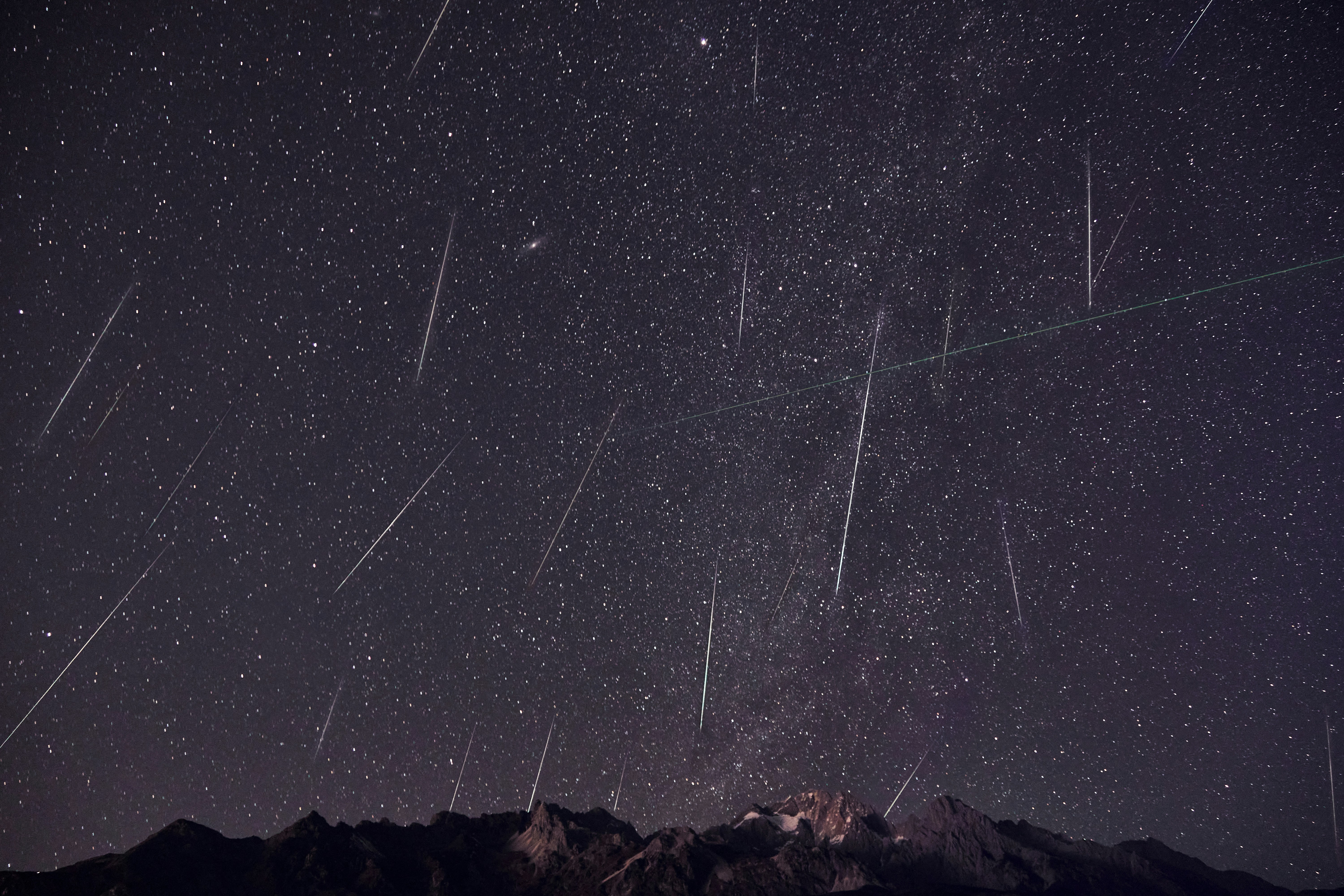
This guide covers Meteor Showers and Meteorite Recovery: Observing Cosmic Debris: the main ideas, the evidence behind them, and open questions in practical astronomy.
This guide explains Meteor Showers and Meteorite Recovery: Observing Cosmic Debris in clear language for curious readers. This article focuses on observing. It is part of VortexCelest's practical astronomy section and summarizes established findings, how they are measured, and what remains uncertain.
Understanding Meteor Showers
Meteor showers peak when Earth crosses a comet's debris trail; predicted rates assume a dark sky and a high radiant altitude.
Meteor shower rates depend on debris trail density, radiant altitude, moonlight, and sky darkness.
When reading news about understanding meteor showers, look for the data source, the time span of the record, and whether multiple teams agree.
- Origin: Most meteor showers are remnants of comets. As a comet orbits the Sun, it sheds dust and ice, creating a trail of debris.
- Radiant: The point in the sky from which meteors in a shower appear to originate. This is a perspective effect, as the meteoroids are traveling in parallel paths.
- Key Showers: Famous meteor showers include the Perseids (from Comet Swift-Tuttle), Leonids (from Comet Tempel-Tuttle), and Geminids (from asteroid 3200 Phaethon).
Meteorite Recovery: Finding Pieces of the Cosmos
Meteor showers peak when Earth crosses a comet's debris trail; predicted rates assume a dark sky and a high radiant altitude.
Models help connect meteorite recovery: finding pieces of the cosmos to broader theory, but they depend on assumptions that should be stated clearly when interpreting conclusions.
Open questions remain where data are sparse or models disagree; future observations may narrow those gaps.
Characteristics of Meteorites
- Fusion Crust: A thin, dark, glassy outer layer formed as the meteorite melts during atmospheric entry.
- Regmaglypts: Thumbprint-like indentations on the surface, formed by ablation.
- Density: Often denser than terrestrial rocks, especially iron meteorites.
- Magnetism: Many meteorites, particularly iron and stony-iron, are magnetic.
Observing and Hunting Tips
Observing and Hunting Tips is an important part of understanding Meteor Showers and Meteorite Recovery: Observing Cosmic Debris. Long-term monitoring and occasional dedicated missions together build the evidence base for observing and hunting tips.
Long-term monitoring and occasional dedicated missions together build the evidence base for observing and hunting tips.
Understanding observing and hunting tips helps place Meteor Showers and Meteorite Recovery: Observing Cosmic Debris in context without overstating what current evidence proves.
For Meteor Showers
- Dark Location: Get away from city lights for the best viewing experience.
- Peak Times: Check astronomical calendars for predicted peak times of major showers.
- No Equipment Needed: Your eyes are the best tool. Lie back and let your eyes adjust to the dark.
- Patience: Give your eyes at least 20-30 minutes to adapt to the dark for optimal viewing.
For Meteorite Hunting
- Research: Learn about known meteorite finds in your area and the characteristics of different meteorite types.
- Tools: A strong magnet, a geological hammer, and a magnifying glass can be useful.
- Locations: Dry lakebeds, deserts, and Antarctic ice fields are prime hunting grounds due to minimal terrestrial rock interference.
- Verification: If you suspect you've found a meteorite, consult with an expert or university geology department for verification.
Meteor Showers & Meteorite Recovery Checklist
- Check shower calendar
- Find dark observing site
- Allow eyes to adapt
- Research meteorite types
- Use magnet for hunting
- Verify potential finds
Keep exploring
Explore related guides on Meteor Showers and Meteorite Recovery: Observing Cosmic Debris from the category hub, or browse the full topic list for more articles in the same field.