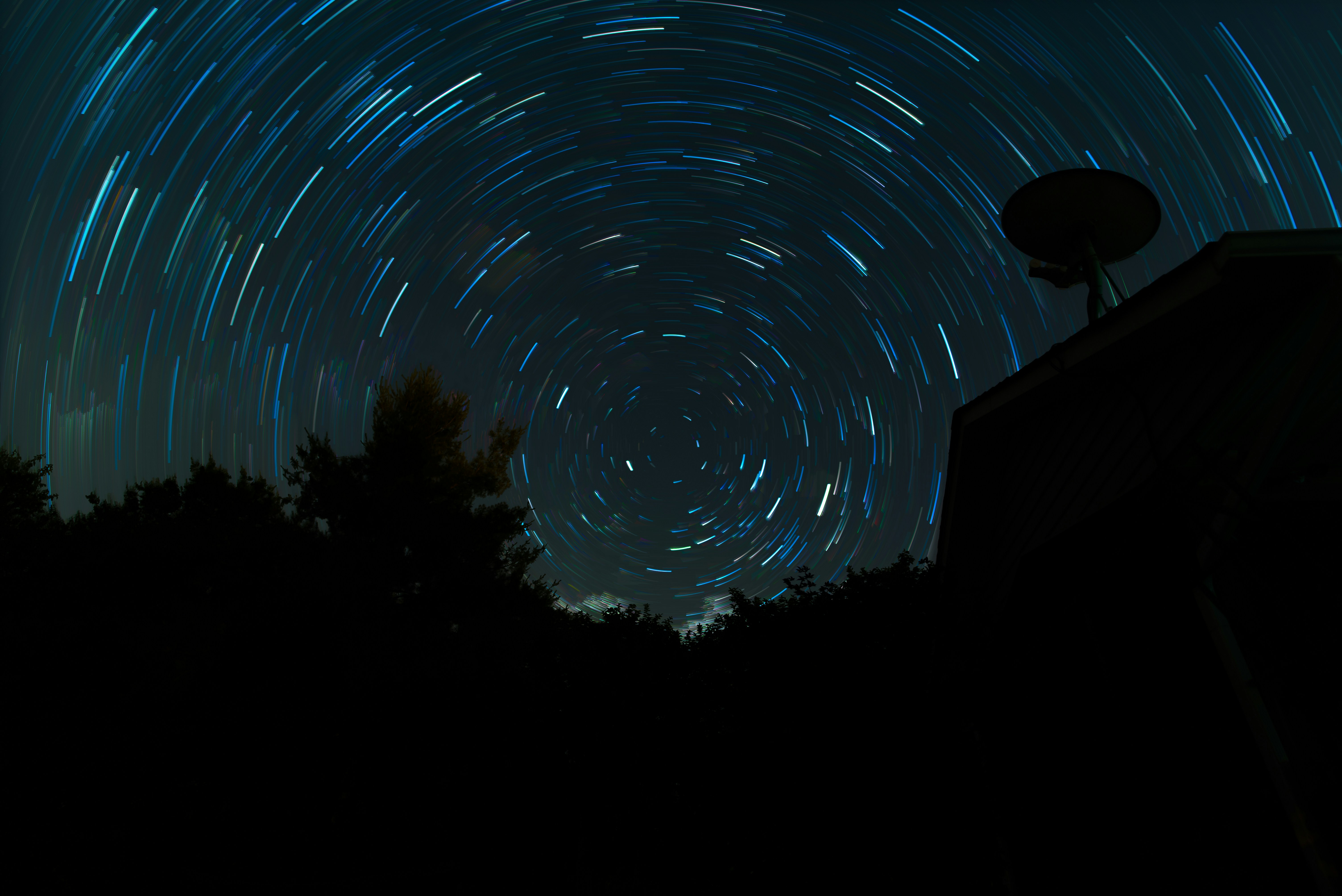
This guide covers Low-Impact Backyard Astronomy: Respecting Dark Skies: the main ideas, the evidence behind them, and open questions in practical astronomy.
This guide explains Low-Impact Backyard Astronomy: Respecting Dark Skies in clear language for curious readers. This article focuses on observing ethics. It is part of VortexCelest's practical astronomy section and summarizes established findings, how they are measured, and what remains uncertain.
Minimizing Your Light Footprint
Minimizing Your Light Footprint is an important part of understanding Low-Impact Backyard Astronomy: Respecting Dark Skies. Measurements in practical astronomy rely on calibrated instruments, published uncertainties, and peer review so results can be reproduced.
Measurements in practical astronomy rely on calibrated instruments, published uncertainties, and peer review so results can be reproduced.
When reading news about minimizing your light footprint, look for the data source, the time span of the record, and whether multiple teams agree.
- Red Lights Only: Use red-filtered flashlights or headlamps when observing. Red light has a minimal impact on dark adaptation.
- Shield Outdoor Lights: Ensure all outdoor lighting is fully shielded, directing light downwards. Avoid unshielded fixtures that cast light upwards.
- Turn Off Unnecessary Lights: Before observing, turn off all non-essential indoor and outdoor lights in your home and encourage neighbors to do the same if possible.
- Observe from Dark-Sky Sites: Whenever possible, travel to designated dark-sky parks or rural areas away from city lights.
Respecting Observing Environments
Respecting Observing Environments is an important part of understanding Low-Impact Backyard Astronomy: Respecting Dark Skies. Open questions remain where data are sparse or models disagree; future observations may narrow those gaps.
Models help connect respecting observing environments to broader theory, but they depend on assumptions that should be stated clearly when interpreting conclusions.
Open questions remain where data are sparse or models disagree; future observations may narrow those gaps.
At Star Parties/Public Events
- Arrive Early: Set up your equipment before dark to avoid using white lights.
- Red Tape Your Lights: Cover all white lights (phone screens, car dome lights) with red cellophane.
- Ask Before Touching: Never touch someone else's telescope without permission.
- Be Quiet: Maintain a low volume to respect other observers.
At Dark-Sky Sites (Rural/Remote)
- Drive Carefully: Use parking lights only when arriving or leaving after dark. Avoid high beams.
- Minimize Sound: Keep noise levels down, especially late at night.
- Leave No Trace: Pack out all trash and leave the site cleaner than you found it.
- Be Aware of Wildlife: Respect local fauna and their nocturnal habits.
Advocating for Dark Skies
Advocating for Dark Skies is an important part of understanding Low-Impact Backyard Astronomy: Respecting Dark Skies. Long-term monitoring and occasional dedicated missions together build the evidence base for advocating for dark skies.
Long-term monitoring and occasional dedicated missions together build the evidence base for advocating for dark skies.
Understanding advocating for dark skies helps place Low-Impact Backyard Astronomy: Respecting Dark Skies in context without overstating what current evidence proves.
Support Dark-Sky Initiatives
Educate Others
Preserving the night sky is a collective effort. By adopting low-impact practices and advocating for dark-sky conservation, you contribute to a richer astronomical experience for everyone, now and for future generations.
Keep exploring
Explore related guides on Low-Impact Backyard Astronomy: Respecting Dark Skies from the category hub, or browse the full topic list for more articles in the same field.