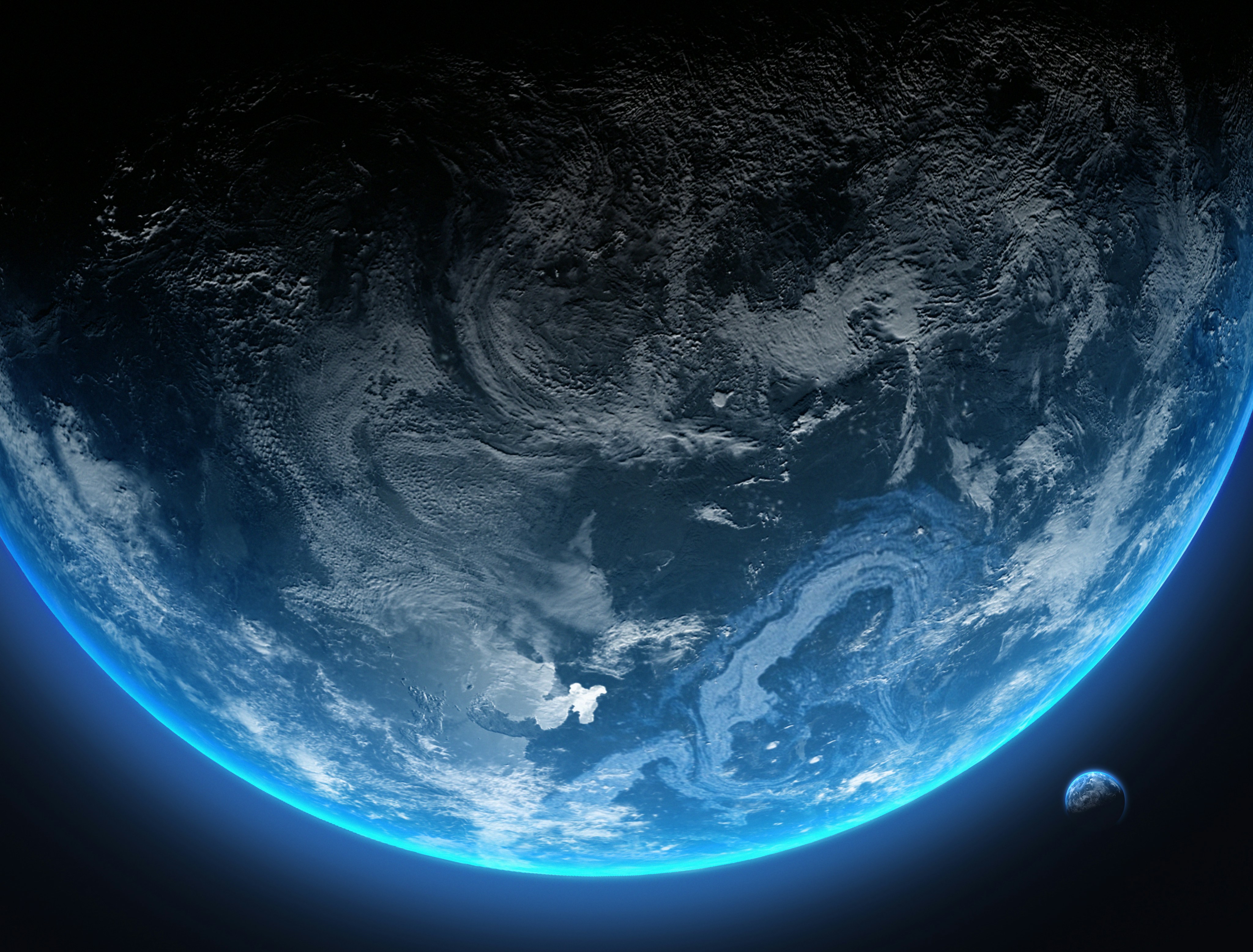
Specular reflections from water could telegraph habitability—if geometry and clouds cooperate.
This long read belongs to Vortex Celest’s Earth tour, grouped under “Remote sensing.” We keep one foot in mission logistics and another in the classroom—so trajectories, surfaces, and space weather never drift into mythology.
Editorial angle
Editorial field note: the fun is the hook; the structure is the kindness. We keep jokes where they clarify stakes, not where they smuggle confusion past the reader.
At a glance
Quick orientation: each line is the opening move of the matching section below, so you can jump to what you need.
- Phase curves teach manners — Brightness versus phase hides ocean contribution under cloud roulette; models train on Earth first.
- Instrument poetry — Polarimetry and high-contrast imaging dream of faint needles in stellar haystacks.
- False positive ethics — Excitement sells; verifying glint without fooling yourself is craftsmanship.
- Sunglasses joke — If aliens spot Earth, maybe they need polarized shades—not for coolness, for scattering algebra.
- Going deeper: Ocean glints as practice problems for future exoplanet observers — We linger here because "ocean glints as practice problems for future exoplanet observers" is where intuition usually hurries past the hard parts. Instruments do not rush; they integrate photons, count events, stack ni…
- Why modest plots deserve poetry — The glamorous photo gets shared; the error bar teaches. Vortex Celest celebrates both: spectacle as hook, statistics as spine.
Phase curves teach manners
Brightness versus phase hides ocean contribution under cloud roulette; models train on Earth first.
Some parts of cosmic literacy are secretly etiquette lessons. "Phase curves teach manners" is one—begin with Brightness versus phase hides ocean contribution under cloud roulette; models train on Earth first.
Phase curves teach manners earns its commas. A fair summary line: Brightness versus phase hides ocean contribution under cloud roulette; models train on Earth first. If that line feels bland, congratulations—that means it is resisting cheap theater while still respecting the abyss. Swap "believe" for "provisionally trust, because…"—it sounds pedantic until you notice how much mental clarity you gain.
Instrument poetry
Polarimetry and high-contrast imaging dream of faint needles in stellar haystacks.
If "Instrument poetry" were easy, it wouldn't need so many commas. Compressed honesty: Polarimetry and high-contrast imaging dream of faint needles in stellar haystacks.
Instrument poetry earns its commas. A fair summary line: Polarimetry and high-contrast imaging dream of faint needles in stellar haystacks. If that line feels bland, congratulations—that means it is resisting cheap theater while still respecting the abyss. Ask yourself who would celebrate if this paragraph were wrong. Science is stranger when you can name the cheering section for disproof.
False positive ethics
Excitement sells; verifying glint without fooling yourself is craftsmanship.
"False positive ethics" is one of those fields where vibes are dangerously accurate—which is funny until they aren't. Grounding vibes: Excitement sells; verifying glint without fooling yourself is craftsmanship.
False positive ethics earns its commas. A fair summary line: Excitement sells; verifying glint without fooling yourself is craftsmanship. If that line feels bland, congratulations—that means it is resisting cheap theater while still respecting the abyss. Look for one number you can remember for a week. If there isn't a number yet, look for a scale: bigger than a city? smaller than an atom?
Sunglasses joke
If aliens spot Earth, maybe they need polarized shades—not for coolness, for scattering algebra.
If "Sunglasses joke" were easy, it wouldn't need so many commas. Compressed honesty: If aliens spot Earth, maybe they need polarized shades—not for coolness, for scattering algebra.
Sunglasses joke: the short version matters, but stories stick when you can smell the telescope grease. Starting point: If aliens spot Earth, maybe they need polarized shades—not for coolness, for scattering algebra. From there, the adult move is asking what would shrink the uncertainty without shrinking the ambition. Swap "believe" for "provisionally trust, because…"—it sounds pedantic until you notice how much mental clarity you gain.
Going deeper: Ocean glints as practice problems for future exoplanet observers
We linger here because "ocean glints as practice problems for future exoplanet observers" is where intuition usually hurries past the hard parts. Instruments do not rush; they integrate photons, count events, stack nights, and argue politely in PDF form.
Headline culture loves monocausal villains—one discovery, one hero, one tweet. Nature prefers committees. Vortex Celest's job is to introduce you to the committee without turning the meeting into naptime.
If you remember one thing, let it be this: depth feels like slower reading, but it buys you immunity against the next dozen overclaims. That is not cynicism; it is immunization.
Why modest plots deserve poetry
The glamorous photo gets shared; the error bar teaches. Vortex Celest celebrates both: spectacle as hook, statistics as spine.
A flat-looking curve can be a biography—of dust, of calibration choices, of competing models forced to share a graph like awkward roommates.
We use "Why modest plots deserve poetry" as a waypoint, not a wallpaper pattern. Waypoint meaning: The glamorous photo gets shared; the error bar teaches
Keep exploring
When you want adjacent angles on Solar System, the theme hub rounds up sibling articles in the same editorial voice. The full archive helps you compare how topics evolve as new missions and surveys release data.