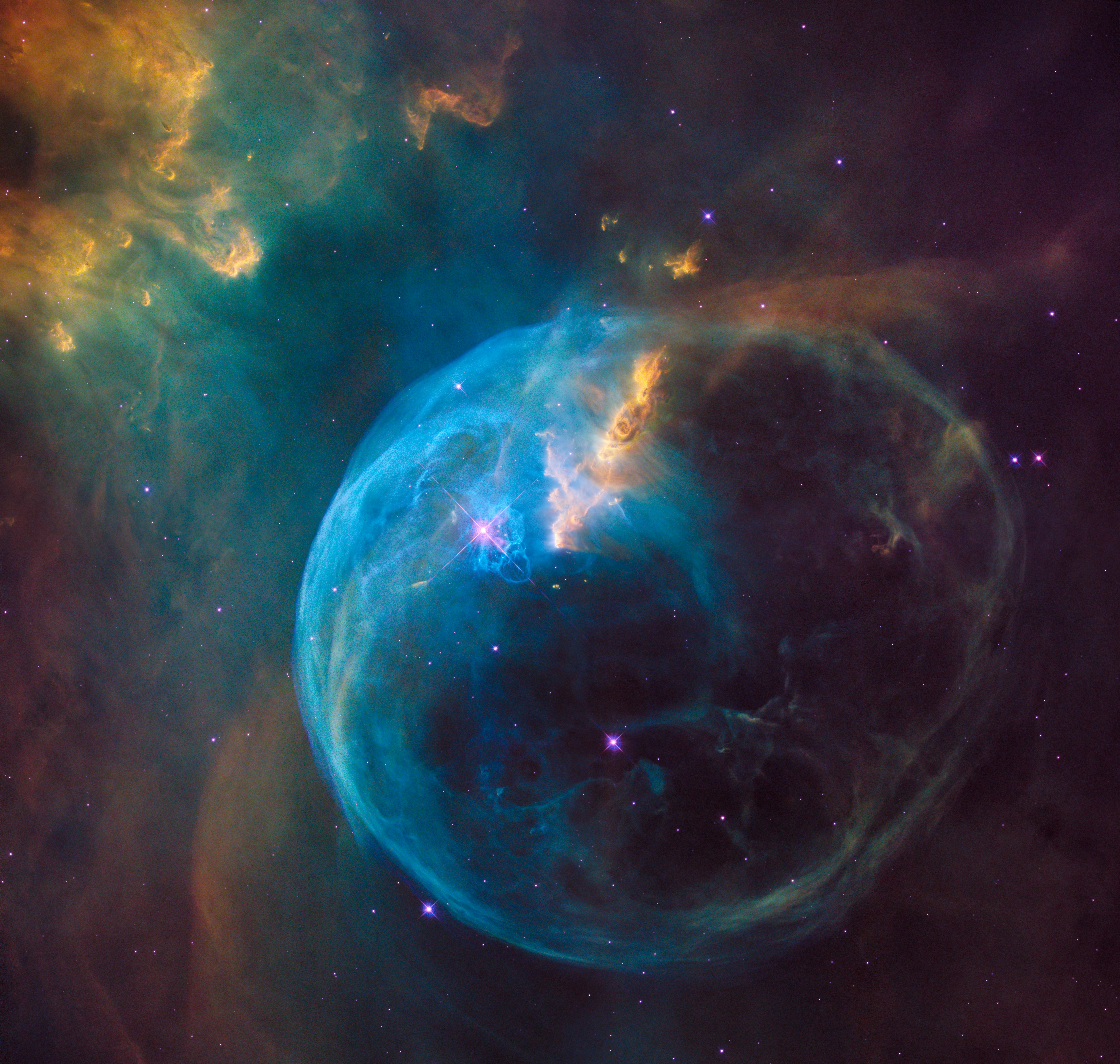
Core hydrogen exhaustion triggers swelling, shell burning, and a personality shift that rewrites a planet's sky faster than any mythology predicted.
VortexCelest’s Stars shelf gathers big ideas without burying the observables that make them testable. This article, tagged “Late evolution,” spends extra time on what flickers, what lensing maps, and what survives skeptical replays.
The core's quiet hunger
When the hydrogen-fusing heart shrinks into a helium ash pit, layers above slump, heat, and ignite like a late-night kitchen experiment nobody rehearsed.
Swelling atmospheres
Envelopes balloon; surface cools while luminosity climbs—counter-intuitive until you remember area wins over temperature in the Stefan–Boltzmann duet.
Planets caught in the drama
Habitable zones migrate outward like shy dancers. World's that once sipped gentle light may toast, while farther iceballs might thaw into accidental aquariums.
VortexCelest tone check
Giants are not 'failures'; they're export terminals for carbon, nitrogen, and oxygen—ingredients passports stamped for later worlds.
Keep exploring
When you want adjacent angles on Universe, the theme hub rounds up sibling articles in the same editorial voice. The full archive helps you compare how topics evolve as new missions and surveys release data.